Why Your Dry Eye Won’t Go Away — And the Treatments That Actually Work
Why Your Dry Eye Won’t Go Away — And the Treatments That Actually Work
Dry eye disease is one of the most common eye conditions affecting adults today. Many people try artificial tears, warm compresses, or over-the-counter eye drops but still struggle with burning, irritation, redness, and blurry vision.
If your dry eye symptoms never seem to fully improve, there is often an underlying cause that has not been properly treated. Modern eye care now offers advanced treatments that address the root cause of chronic dry eye rather than just temporarily relieving symptoms.
Understanding why dry eye persists is the first step toward finding long-term relief. Take our Dry Eye Survey to see if dry eye is something that is an issues for you.
Common Symptoms of Chronic Dry Eye
Dry eye disease can cause a variety of uncomfortable symptoms that often worsen throughout the day. These may include:
Burning or stinging eyes
Redness and irritation
Blurry or fluctuating vision
Sensitivity to light
A gritty or sandy feeling in the eyes
Excessive tearing or watery eyes
Difficulty wearing contact lenses
Many patients assume these symptoms are simply part of aging or screen use, but persistent symptoms often indicate chronic dry eye disease.
The Most Common Cause of Dry Eye
One of the most frequent causes of dry eye is meibomian gland dysfunction (MGD).
The meibomian glands are located along the edges of the eyelids and produce the oil layer of the tear film. This oil prevents tears from evaporating too quickly.
When these glands become blocked or inflamed, the tear film becomes unstable. Tears evaporate rapidly, leaving the eyes dry and irritated.
This condition is known as evaporative dry eye, and it is responsible for the majority of chronic dry eye cases.
Why Artificial Tears Often Aren’t Enough
Artificial tears can temporarily lubricate the surface of the eye, but they do not treat the underlying gland dysfunction or inflammation responsible for dry eye disease.
This is why many patients feel relief for only a short time before symptoms return.
Long-lasting improvement often requires treatments that restore healthy tear production and improve meibomian gland function.
Advanced Treatments That Actually Work
Modern dry eye care focuses on treating the underlying causes of the disease rather than only masking symptoms.
OptiLight IPL Therapy
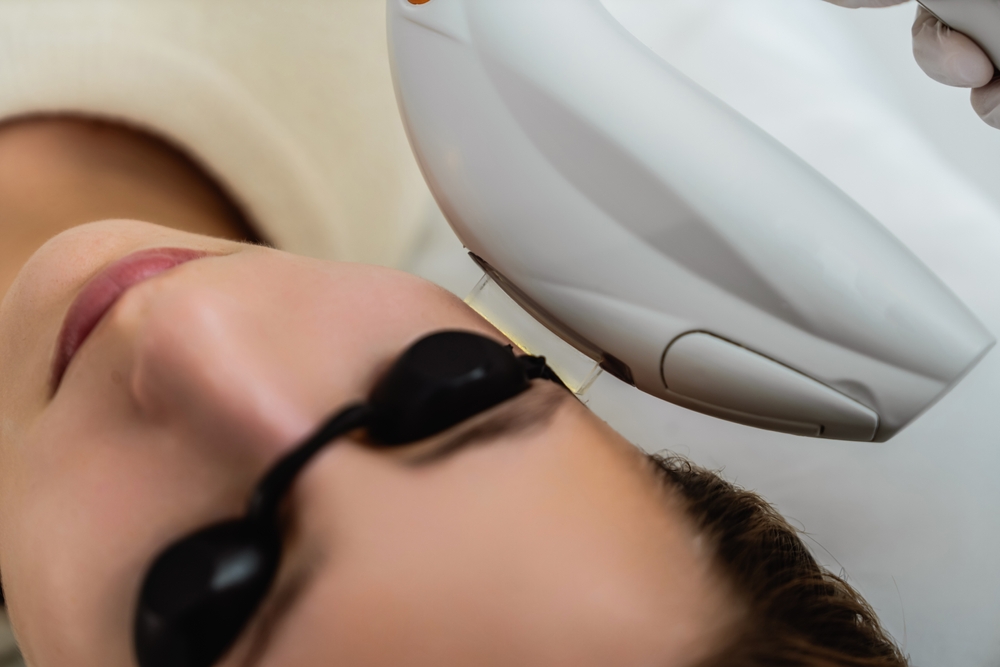
OptiLight IPL (Intense Pulsed Light) is an advanced treatment designed specifically for dry eye caused by meibomian gland dysfunction.
IPL works by:
Reducing inflammation around the eyelids
Improving meibomian gland function
Closing abnormal blood vessels that contribute to inflammation
Stabilizing the tear film
Many patients experience significant improvement after a series of IPL treatments.
Meibomian Gland Expression
In some cases, the oil glands must be gently expressed to clear blockages and restore proper oil flow to the tear film.
This procedure can improve tear stability and reduce symptoms of dryness.
Prescription Dry Eye Medications
Prescription eye drops may help reduce inflammation and improve tear production when used as part of a comprehensive dry eye treatment plan.
Lifestyle and Environmental Changes
Certain everyday habits can worsen dry eye symptoms. Your eye doctor may recommend changes such as:
taking regular breaks from screens
increasing humidity in your environment
improving eyelid hygiene
staying well hydrated
The Importance of a Dry Eye Evaluation
Dry eye disease can have multiple causes, and effective treatment often requires identifying the specific factors affecting your tear film.
A comprehensive dry eye evaluation allows your eye doctor to examine the health of your tear film, eyelids, and meibomian glands. With the right diagnosis, a personalized treatment plan can significantly improve eye comfort and visual clarity.
Finding Lasting Relief From Dry Eye
Living with constant eye irritation can make everyday tasks such as reading, driving, or using digital devices uncomfortable. Fortunately, advances in dry eye treatment now allow doctors to address the root causes of the condition.
By targeting inflammation, improving gland function, and restoring tear film stability, modern treatments such as OptiLight IPL therapy can provide meaningful and long-lasting relief. Read this article to find out the difference between the treatments at Blue Lakes Eye Care, What is the Difference Between OptiLight and Optilift?
If you struggle with persistent dry eye symptoms, a professional dry eye evaluation can help determine the most effective treatment options for your eyes. Contact Blue Lakes Eye Care to schedule your dry eye exam. Visit our office in Eagan, Minnesota, schedule online from our website, or call (651) 280-4420 to book an appointment today.
Quick Links
Helpful Articles
article_category: products
article_category: psychiatry
article_category: faqs
article_category: cats
article_category: general
article_category: services
article_category: technology
article_category: dogs
article_category: restorative
article_category: vision therapy
article_category: contact lenses
article_category: health
article_category: conditions
article_category: eye surgery co-management
article_category: exotic
article_category: cosmetic
article_category: surgical procedures
article_category: aesthetics
article_category: preventative
article_category: ocular disease management
article_category: eyeglasses
article_category: eye health
article_category: large animal
[]
article_category: psychiatry
article_category: faqs
article_category: cats
article_category: general
article_category: services
article_category: technology
article_category: dogs
article_category: restorative
article_category: vision therapy
article_category: contact lenses
article_category: health
article_category: conditions
article_category: eye surgery co-management
article_category: exotic
article_category: cosmetic
article_category: surgical procedures
article_category: aesthetics
article_category: preventative
article_category: ocular disease management
article_category: eyeglasses
article_category: eye health
article_category: large animal
[]
Flowbite is an open-source library of interactive components built on top of Tailwind CSS including buttons, dropdowns, modals, navbars, and more.
Check out this guide to learn how to get started and start developing websites even faster with components on top of Tailwind CSS.

All Eyecare Services
We offer a wide variety of eye care services to the Eagan community. Contact us with any questions about our services.

Keep In Touch
For non-urgent questions or to learn more about our services, contact us today!
© 2026 Blue Lakes Eye Care. All rights Reserved - Accessibility Statement - Privacy Policy - Sitemap
Managed and Designed by 